Raw Materials
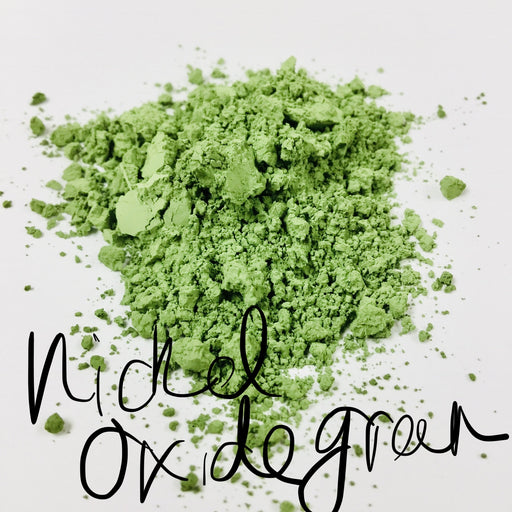
Nickel Carbonate Green
Original price
$15.00
-
Original price
$45.00
Original price
$15.00
-
$45.00
$15.00
-
$45.00
Current price
$15.00
Out of stock
Common glaze colorant. Green nickel produces a variety of browns, blues, grays and yellows depending on the presence of other materials in the glaze.
Original price
$15.00
-
Original price
$45.00
Original price
$15.00
-
$45.00
$15.00
-
$45.00
Current price
$15.00
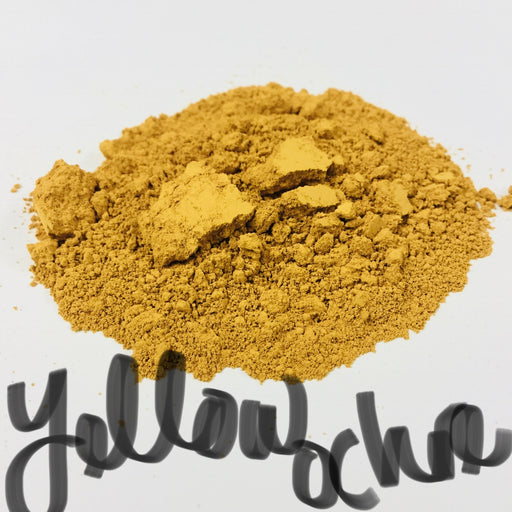
Ochre, Yellow
Original price
$13.50
-
Original price
$45.00
Original price
$13.50
-
$45.00
$13.50
-
$45.00
Current price
$13.50
Out of stock
A natural hydrated earthy ferric oxide. Contains hydrated iron oxide. Can be calcined at 550-600°C.
Original price
$13.50
-
Original price
$45.00
Original price
$13.50
-
$45.00
$13.50
-
$45.00
Current price
$13.50
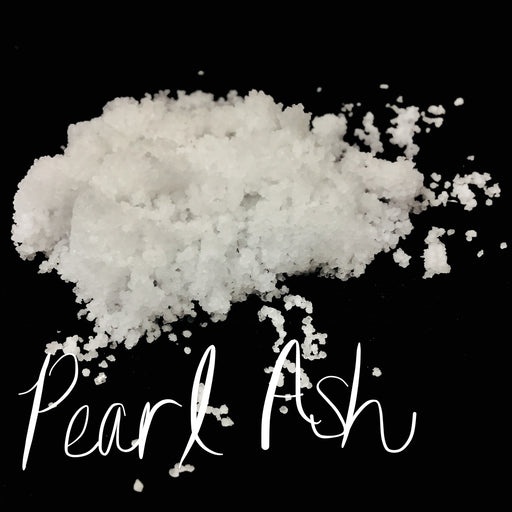
Pearl Ash Potassium Carb
Original price
$11.30
-
Original price
$76.00
Original price
$11.30
-
$76.00
$11.30
-
$76.00
Current price
$11.30
Out of stock
Also known as Pearl Ash. It is a strong flux and can be used as a color modifier in glazes.
Original price
$11.30
-
Original price
$76.00
Original price
$11.30
-
$76.00
$11.30
-
$76.00
Current price
$11.30
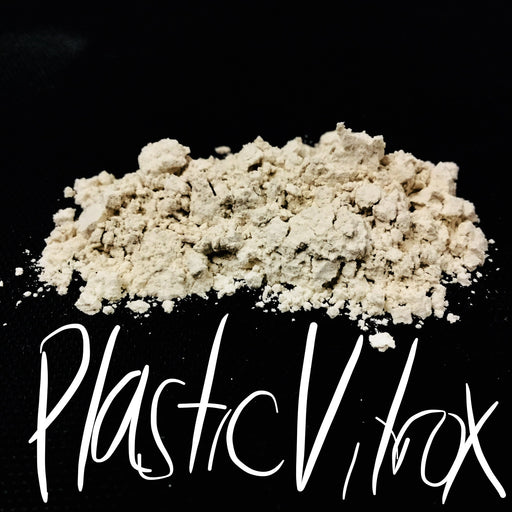
Plastic Vitrox
Original price
$8.25
-
Original price
$136.00
Original price
$8.25
-
$136.00
$8.25
-
$136.00
Current price
$8.25
Out of stock
Can be used to increase plasticity in porcelain bodies instead of Potash Feldspar; a complex material similar to and sharing properties with Potash...
View full details
Original price
$8.25
-
Original price
$136.00
Original price
$8.25
-
$136.00
$8.25
-
$136.00
Current price
$8.25
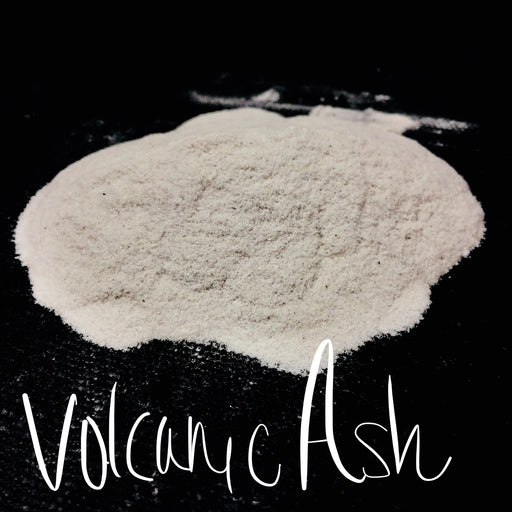
Pumice FFF Volcanic Ash
Original price
$3.00
-
Original price
$63.50
Original price
$3.00
-
$63.50
$3.00
-
$63.50
Current price
$3.00
Out of stock
A type of feldspar which can be used in glazes. It is not desirable in clay bodies.
Original price
$3.00
-
Original price
$63.50
Original price
$3.00
-
$63.50
$3.00
-
$63.50
Current price
$3.00
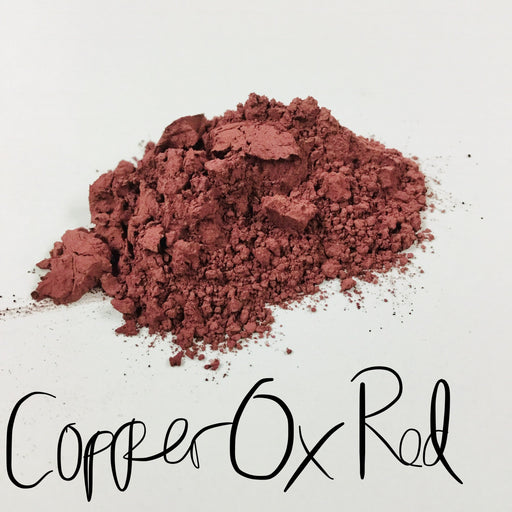
Red Copper OX
Original price
$9.75
-
Original price
$97.00
Original price
$9.75
-
$97.00
$9.75
-
$97.00
Current price
$9.75
Out of stock
Original price
$9.75
-
Original price
$97.00
Original price
$9.75
-
$97.00
$9.75
-
$97.00
Current price
$9.75
Sold out
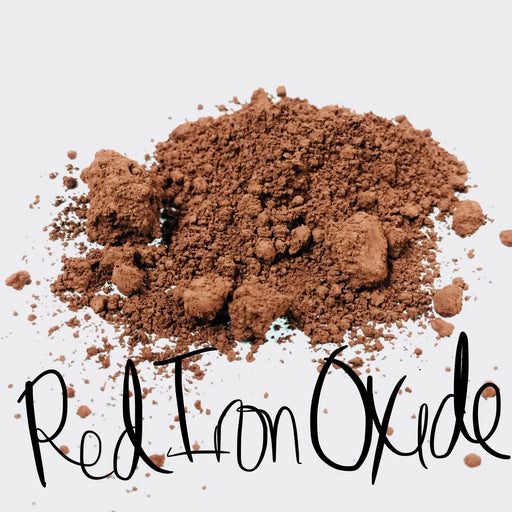
Red Iron Oxide
Original price
$11.75
-
Original price
$193.00
Original price
$11.75
-
$193.00
$11.75
-
$193.00
Current price
$11.75
Out of stock
Ferric oxide. Basically the same as black iron oxide except not as concentrated.
Original price
$11.75
-
Original price
$193.00
Original price
$11.75
-
$193.00
$11.75
-
$193.00
Current price
$11.75
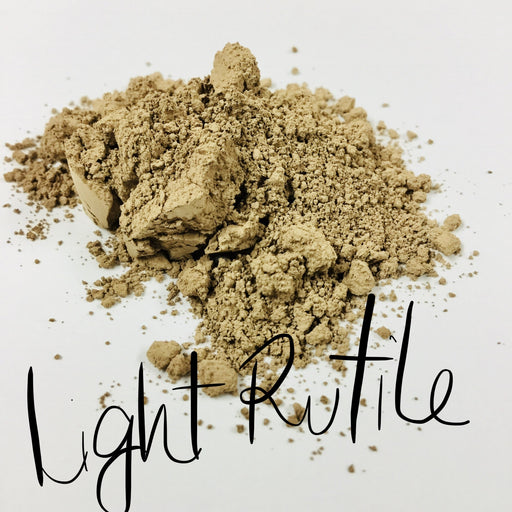
Rutile Light
Original price
$25.00
-
Original price
$600.00
Original price
$25.00
-
$600.00
$25.00
-
$600.00
Current price
$25.00
Out of stock
A titanium dioxide tan colorant which contains a small amount of iron. Used both for color and its tendency to provide various mottled textures.
Original price
$25.00
-
Original price
$600.00
Original price
$25.00
-
$600.00
$25.00
-
$600.00
Current price
$25.00
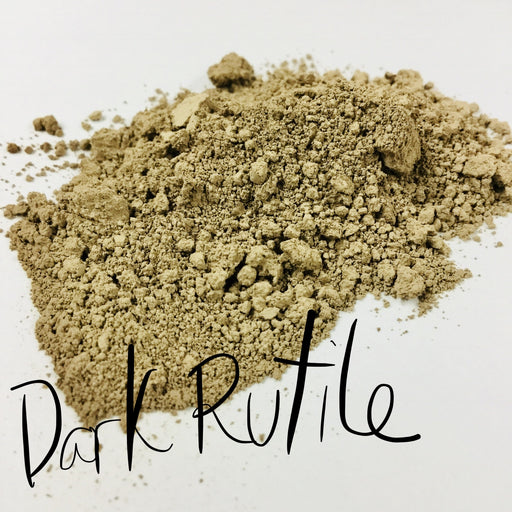
Rutile, Dark
Original price
$12.50
-
Original price
$209.00
Original price
$12.50
-
$209.00
$12.50
-
$209.00
Current price
$12.50
Out of stock
This is classified as a Dark Rutile. This is the same mineral as the ceramic grade rutile but this has not been calcined.
Original price
$12.50
-
Original price
$209.00
Original price
$12.50
-
$209.00
$12.50
-
$209.00
Current price
$12.50
SG98 DRY GLAZE
Original price
$7.75
-
Original price
$171.00
Original price
$7.75
-
$171.00
$7.75
-
$171.00
Current price
$7.75
Out of stock
Opaque glaze in the Laguna Cone 5 Dry Glaze Series.
Original price
$7.75
-
Original price
$171.00
Original price
$7.75
-
$171.00
$7.75
-
$171.00
Current price
$7.75
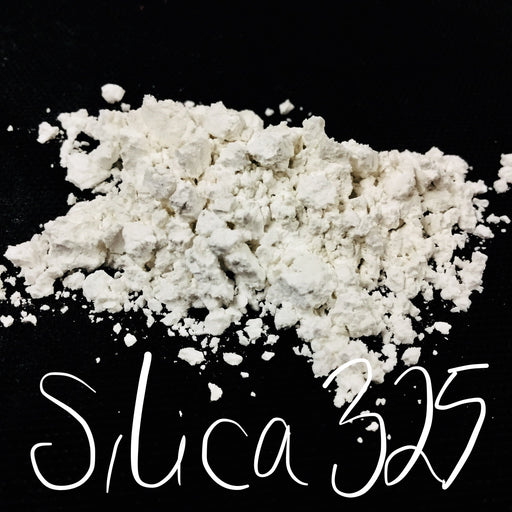
Silica 325
Original price
$5.00
-
Original price
$45.00
Original price
$5.00
-
$45.00
$5.00
-
$45.00
Current price
$5.00
Out of stock
325 mesh silica is typically used in glazes.
Original price
$5.00
-
Original price
$45.00
Original price
$5.00
-
$45.00
$5.00
-
$45.00
Current price
$5.00
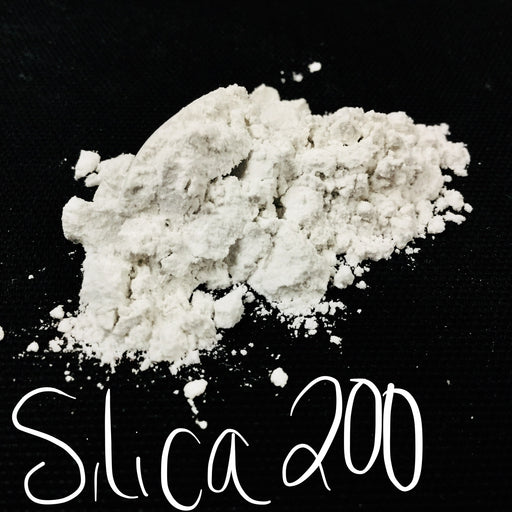
Silica Flint 200
Original price
$3.75
-
Original price
$36.00
Original price
$3.75
-
$36.00
$3.75
-
$36.00
Current price
$3.75
Out of stock
AKA Flint. The most common source of silica in clay bodies and glazes. Increases the thermal expansion in clays and decreases thermal expansion in ...
View full details
Original price
$3.75
-
Original price
$36.00
Original price
$3.75
-
$36.00
$3.75
-
$36.00
Current price
$3.75
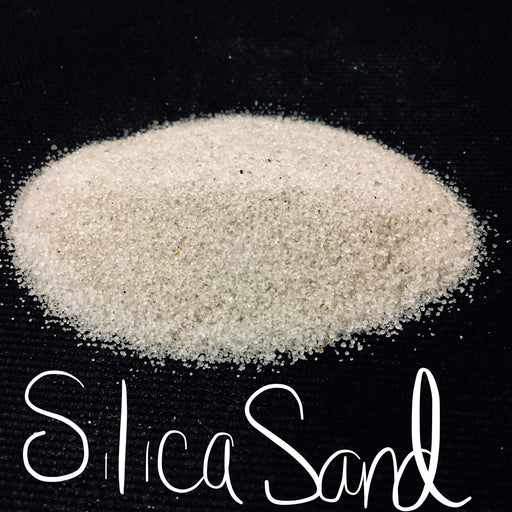
Silica Sand
Original price
$7.50
-
Original price
$50.00
Original price
$7.50
-
$50.00
$7.50
-
$50.00
Current price
$7.50
Out of stock
Feldspathic silica sands which can be used in place of grog in clay bodies to add texture and strength.
Original price
$7.50
-
Original price
$50.00
Original price
$7.50
-
$50.00
$7.50
-
$50.00
Current price
$7.50
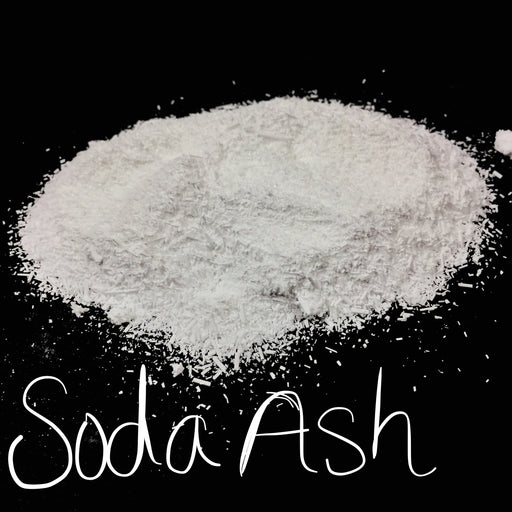
Soda Ash, Light
Original price
$5.25
-
Original price
$84.00
Original price
$5.25
-
$84.00
$5.25
-
$84.00
Current price
$5.25
Out of stock
This is an active flux which serves an important function as a deflocculant in preparing liquid slip. It increases strength and workability and red...
View full details
Original price
$5.25
-
Original price
$84.00
Original price
$5.25
-
$84.00
$5.25
-
$84.00
Current price
$5.25
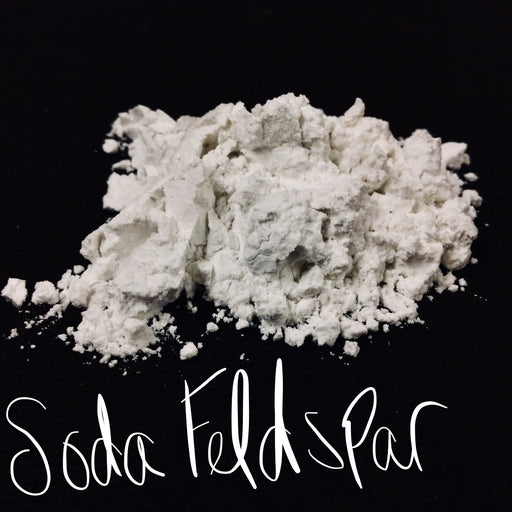
Soda Feldspar Min200
Original price
$4.75
-
Original price
$52.25
Original price
$4.75
-
$52.25
$4.75
-
$52.25
Current price
$4.75
Out of stock
Crystalline minerals made up of mainly silica and alumina in combination with sodium and potassium oxides. Often considered a natural frit. Used ex...
View full details
Original price
$4.75
-
Original price
$52.25
Original price
$4.75
-
$52.25
$4.75
-
$52.25
Current price
$4.75
Spanish Red Iron OX
Original price
$8.50
-
Original price
$138.00
Original price
$8.50
-
$138.00
$8.50
-
$138.00
Current price
$8.50
Out of stock
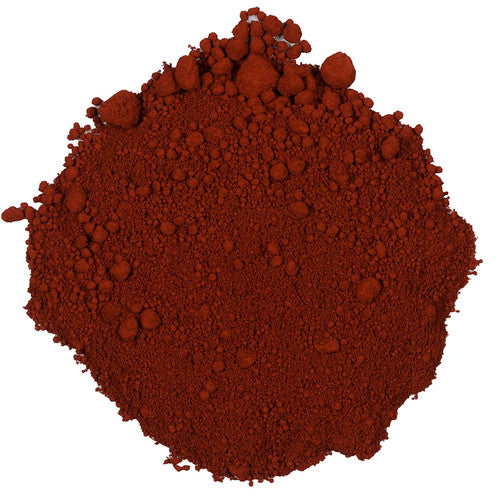
81% Fe2O3 , this imported, natural iron oxide is bright red in its raw form.
Original price
$8.50
-
Original price
$138.00
Original price
$8.50
-
$138.00
$8.50
-
$138.00
Current price
$8.50
Spodumene Substitute
Original price
$30.00
-
Original price
$498.50
Original price
$30.00
-
$498.50
$30.00
-
$498.50
Current price
$30.00
Out of stock
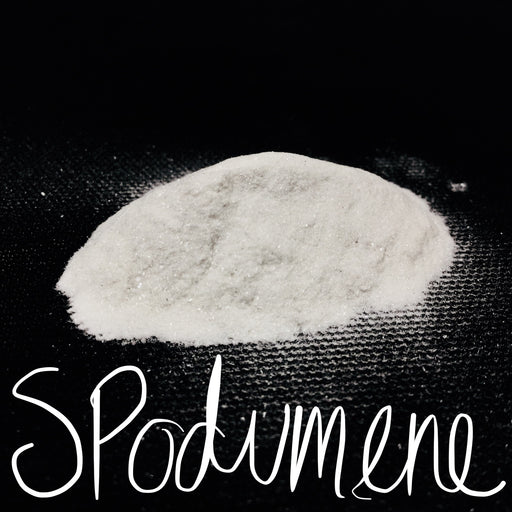
Substitute for Spodumene. A source of lithia, which is a flux, that helps to develop copper blue tone glazes. Can replace feldspar and also reduces...
View full details
Original price
$30.00
-
Original price
$498.50
Original price
$30.00
-
$498.50
$30.00
-
$498.50
Current price
$30.00
Strontium Carbonate
Original price
$13.50
-
Original price
$225.00
Original price
$13.50
-
$225.00
$13.50
-
$225.00
Current price
$13.50
Out of stock
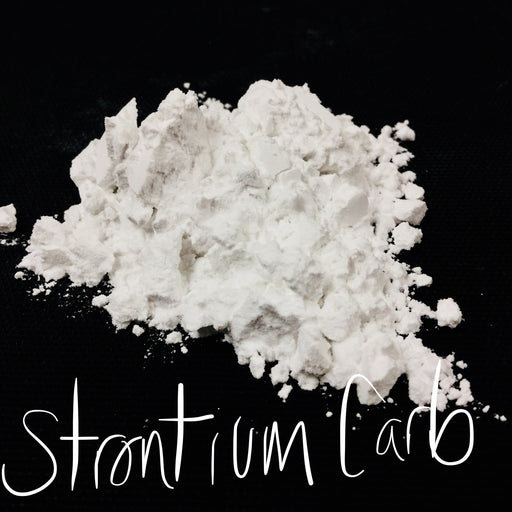
Similar to calcium. Also used as barium carbonate substitute.
Original price
$13.50
-
Original price
$225.00
Original price
$13.50
-
$225.00
$13.50
-
$225.00
Current price
$13.50

Talc
Original price
$2.75
-
Original price
$61.00
Original price
$2.75
-
$61.00
$2.75
-
$61.00
Current price
$2.75
Out of stock
An economical, high purity, off-white talc. A major component in low fire, Cone 06-Cone 2 lighter colored clay bodies.
Original price
$2.75
-
Original price
$61.00
Original price
$2.75
-
$61.00
$2.75
-
$61.00
Current price
$2.75
Tennessee Ball Clay
Original price
$2.75
-
Original price
$45.50
Original price
$2.75
-
$45.50
$2.75
-
$45.50
Current price
$2.75
Out of stock
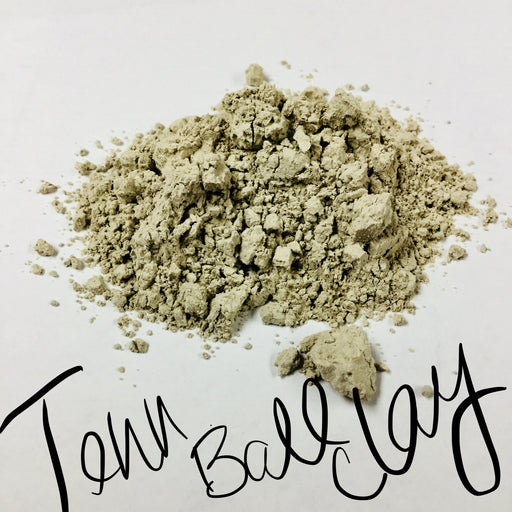
A coarse-grained fast-casting ball clay with medium plasticity and strength. SGP is an "industry standard" based on its popularity for casting. Can...
View full details
Original price
$2.75
-
Original price
$45.50
Original price
$2.75
-
$45.50
$2.75
-
$45.50
Current price
$2.75
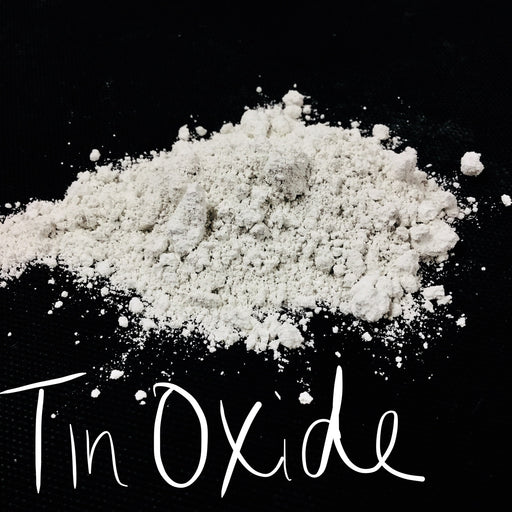
Tin Oxide
Original price
$42.00
-
Original price
$425.00
Original price
$42.00
-
$425.00
$42.00
-
$425.00
Current price
$42.00
Out of stock
The most effective opacifier to produce even, opaque, glossy glazes. The normal use of Tin Oxide in a glaze is between 5% and 10%. A dull matt glaz...
View full details
Original price
$42.00
-
Original price
$425.00
Original price
$42.00
-
$425.00
$42.00
-
$425.00
Current price
$42.00

Titanium Dioxide
Original price
$13.75
-
Original price
$228.00
Original price
$13.75
-
$228.00
$13.75
-
$228.00
Current price
$13.75
Out of stock
Important opacifier. Often used in glaze to affect acid resistance, color and texture.
Original price
$13.75
-
Original price
$228.00
Original price
$13.75
-
$228.00
$13.75
-
$228.00
Current price
$13.75
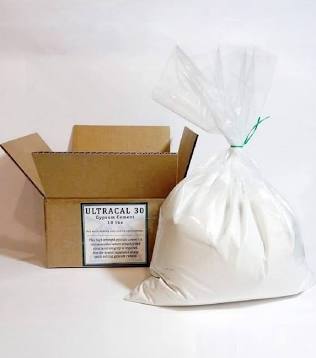
Ultracal Bag
Original price
$62.00
-
Original price
$82.50
Original price
$62.00
-
$82.50
$62.00
-
$82.50
Current price
$62.00
Out of stock
Ultracal 30 plaster is a gypsum cement specially formulated for close tolerance tooling. It features exceptional surface hardness and accuracy, as ...
View full details
Original price
$62.00
-
Original price
$82.50
Original price
$62.00
-
$82.50
$62.00
-
$82.50
Current price
$62.00
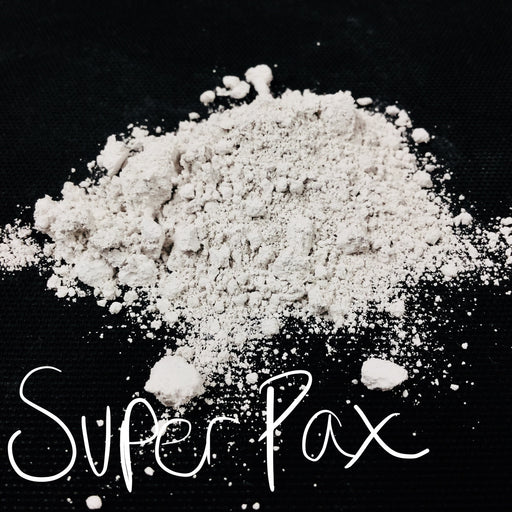
Ultrox
Original price
$11.50
-
Original price
$230.00
Original price
$11.50
-
$230.00
$11.50
-
$230.00
Current price
$11.50
Out of stock
Ultrox supplies ZrO2 and SiO2. Zircopax Zirco-pax picture is of SuperPax however they are all similar in chemical makeup and interchangeable. A ...
View full details
Original price
$11.50
-
Original price
$230.00
Original price
$11.50
-
$230.00
$11.50
-
$230.00
Current price
$11.50