Raw Materials
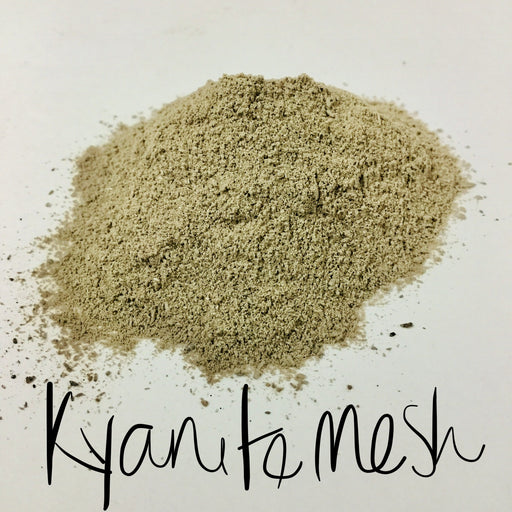
Kyanite Mesh 48
Original price
$4.25
-
Original price
$68.00
Original price
$4.25
-
$68.00
$4.25
-
$68.00
Current price
$4.25
In stock
A refractory material used to reduce shrinkage in clay bodies. Because of its interlocking crystal structure it also gives strength to clay bodies.
Original price
$4.25
-
Original price
$68.00
Original price
$4.25
-
$68.00
$4.25
-
$68.00
Current price
$4.25

Light Soda Ash 1# - NZ
Original price
$5.25
-
Original price
$5.25
Original price
$5.25
$5.25
-
$5.25
Current price
$5.25
Low stock
Donated to Cornell by Nan Zantal. All proceeds will go to supporting Sinclair Community College Students looking to attend workshops at Cornell. Th...
View full details
Original price
$5.25
-
Original price
$5.25
Original price
$5.25
$5.25
-
$5.25
Current price
$5.25
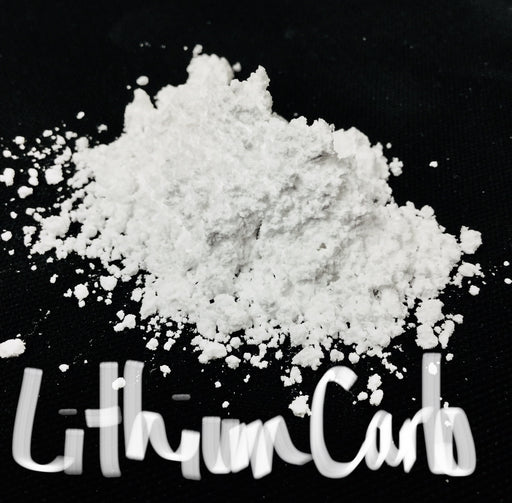
Lithium Carbonate
Original price
$40.00
-
Original price
$1,800.00
Original price
$40.00
-
$1,800.00
$40.00
-
$1,800.00
Current price
$40.00
In stock
It is a source of Lithia for glazes. A strong flux, beginning to aid in the melting of glazes at 1472°F. Used extensively as a secondary flux in le...
View full details
Original price
$40.00
-
Original price
$1,800.00
Original price
$40.00
-
$1,800.00
$40.00
-
$1,800.00
Current price
$40.00
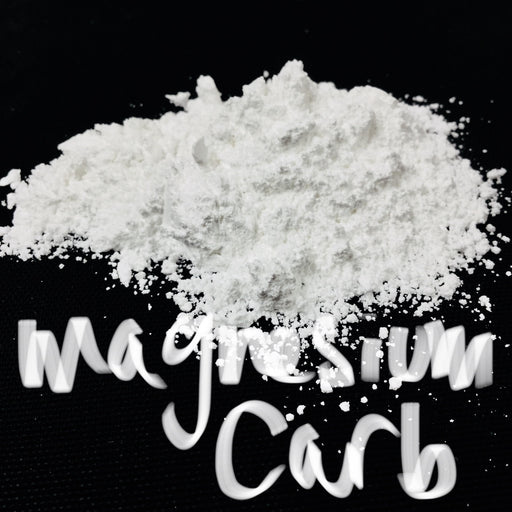
Magnesium Carbonate
Original price
$13.50
-
Original price
$225.00
Original price
$13.50
-
$225.00
$13.50
-
$225.00
Current price
$13.50
In stock
Source of magnesium in glazes. Imparts strength and color with little shrinkage. In larger proportions, it produces a dry opaque quality to glazes.
Original price
$13.50
-
Original price
$225.00
Original price
$13.50
-
$225.00
$13.50
-
$225.00
Current price
$13.50
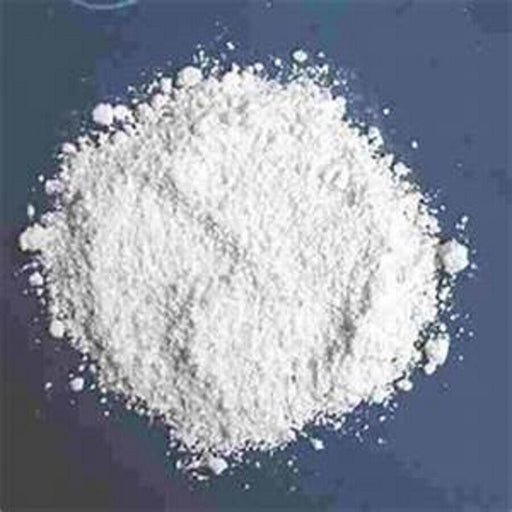
Mahavir Potassium Feldspar (substitute for Custer Potash Feldspar)
Original price
$7.50
-
Original price
$75.00
Original price
$7.50
-
$75.00
$7.50
-
$75.00
Current price
$7.50
In stock
Good substitute for Custer Feldspar. A selected white firing high grade potassium feldspar ground to 200 mesh for ceramic applications. Moderate po...
View full details
Original price
$7.50
-
Original price
$75.00
Original price
$7.50
-
$75.00
$7.50
-
$75.00
Current price
$7.50

Manganese Carb
Original price
$4.75
-
Original price
$46.75
Original price
$4.75
-
$46.75
$4.75
-
$46.75
Current price
$4.75
Low stock
A weak coloring agent. In an alkaline glaze, a blue-purple or plum color can be obtained. In leadless glazes, a purple-brown may result. It is a po...
View full details
Original price
$4.75
-
Original price
$46.75
Original price
$4.75
-
$46.75
$4.75
-
$46.75
Current price
$4.75
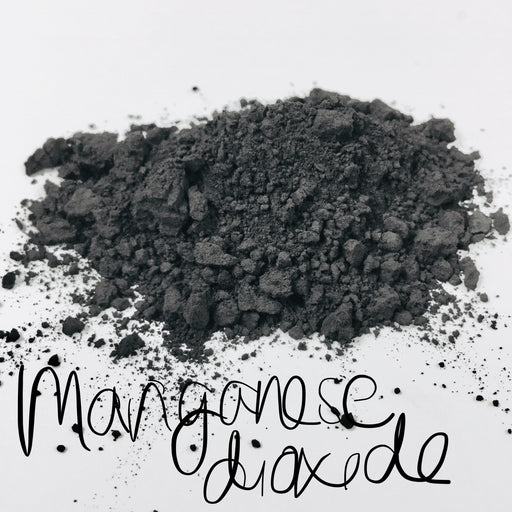
Manganese Dioxide
Original price
$2.50
-
Original price
$25.00
Original price
$2.50
-
$25.00
$2.50
-
$25.00
Current price
$2.50
In stock
A black powder which gives red, brown, purple or black tones to clay bodies and glazes. A strong flux when added in large amounts to clay bodies.
Original price
$2.50
-
Original price
$25.00
Original price
$2.50
-
$25.00
$2.50
-
$25.00
Current price
$2.50

Manganese Dioxide 1# - NZ
Original price
$7.50
-
Original price
$7.50
Original price
$7.50
$7.50
-
$7.50
Current price
$7.50
Low stock
Donated to Cornell by Nan Zantal. All proceeds will go to supporting Sinclair Community College Students looking to attend workshops at Cornell. A ...
View full details
Original price
$7.50
-
Original price
$7.50
Original price
$7.50
$7.50
-
$7.50
Current price
$7.50
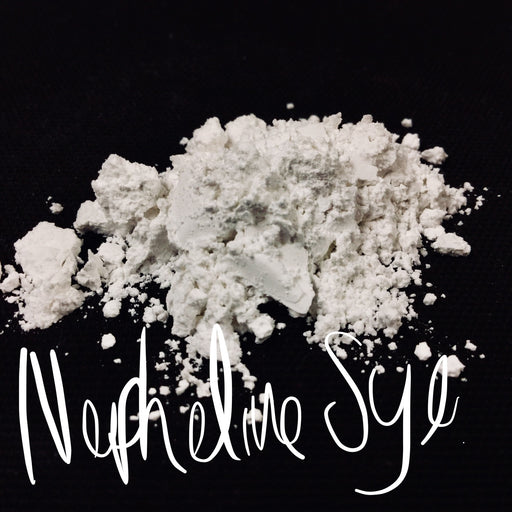
Nepheline Syenite
Original price
$4.75
-
Original price
$47.00
Original price
$4.75
-
$47.00
$4.75
-
$47.00
Current price
$4.75
In stock
A soda spar. It can reduce crazing tendencies when added to a clay body. Also used in glazes where a soda spar is required.
Original price
$4.75
-
Original price
$47.00
Original price
$4.75
-
$47.00
$4.75
-
$47.00
Current price
$4.75
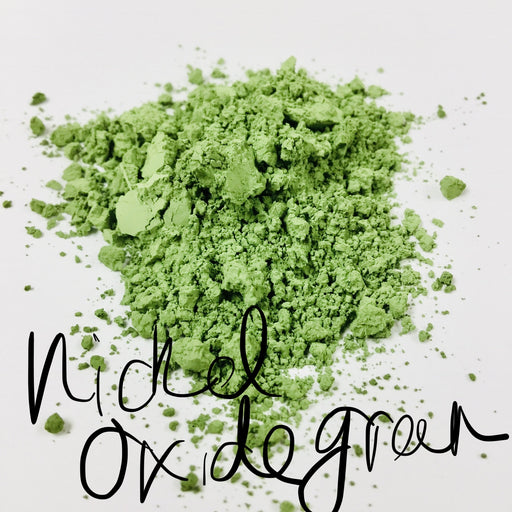
Nickel Carbonate Green
Original price
$15.00
-
Original price
$45.00
Original price
$15.00
-
$45.00
$15.00
-
$45.00
Current price
$15.00
Low stock
Common glaze colorant. Green nickel produces a variety of browns, blues, grays and yellows depending on the presence of other materials in the glaze.
Original price
$15.00
-
Original price
$45.00
Original price
$15.00
-
$45.00
$15.00
-
$45.00
Current price
$15.00
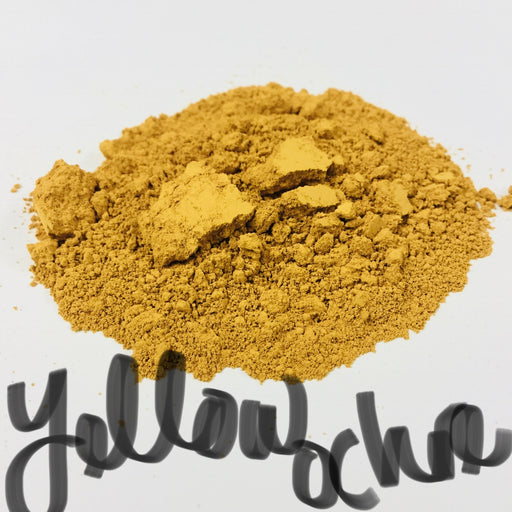
Ochre, Yellow
Original price
$13.50
-
Original price
$45.00
Original price
$13.50
-
$45.00
$13.50
-
$45.00
Current price
$13.50
Low stock
A natural hydrated earthy ferric oxide. Contains hydrated iron oxide. Can be calcined at 550-600°C.
Original price
$13.50
-
Original price
$45.00
Original price
$13.50
-
$45.00
$13.50
-
$45.00
Current price
$13.50
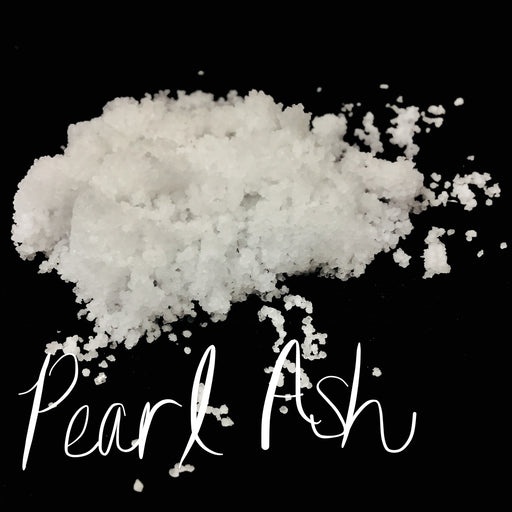
Pearl Ash Potassium Carb
Original price
$11.30
-
Original price
$76.00
Original price
$11.30
-
$76.00
$11.30
-
$76.00
Current price
$11.30
Low stock
Also known as Pearl Ash. It is a strong flux and can be used as a color modifier in glazes.
Original price
$11.30
-
Original price
$76.00
Original price
$11.30
-
$76.00
$11.30
-
$76.00
Current price
$11.30
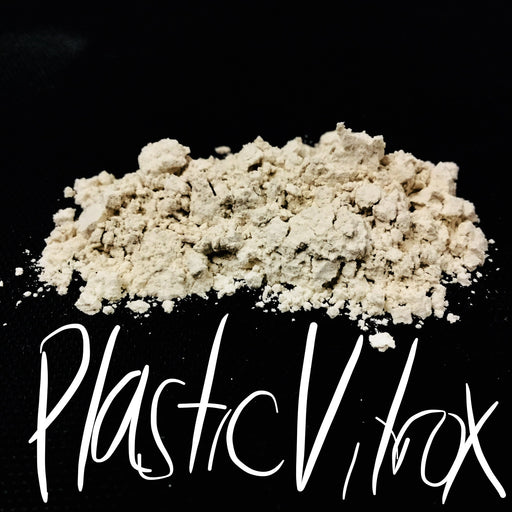
Plastic Vitrox
Original price
$8.25
-
Original price
$136.00
Original price
$8.25
-
$136.00
$8.25
-
$136.00
Current price
$8.25
In stock
Can be used to increase plasticity in porcelain bodies instead of Potash Feldspar; a complex material similar to and sharing properties with Potash...
View full details
Original price
$8.25
-
Original price
$136.00
Original price
$8.25
-
$136.00
$8.25
-
$136.00
Current price
$8.25
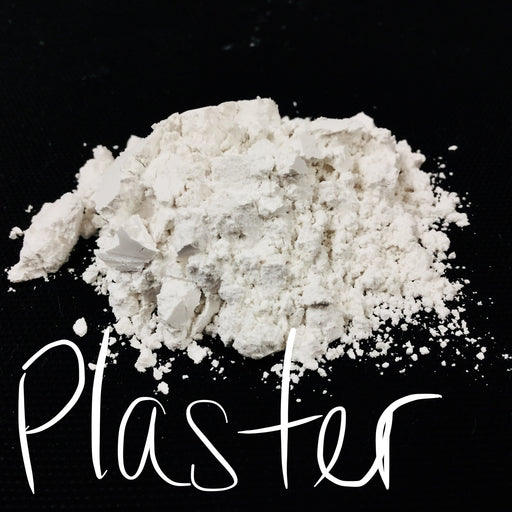
Pottery Plaster #1
Original price
$10.50
-
Original price
$22.50
Original price
$10.50
-
$22.50
$10.50
-
$22.50
Current price
$10.50
Low stock
USG Pottery Plaster is great for all types of ceramic slip casting applications. Pottery plaster is formulated for long life and reduced breakage (...
View full details
Original price
$10.50
-
Original price
$22.50
Original price
$10.50
-
$22.50
$10.50
-
$22.50
Current price
$10.50
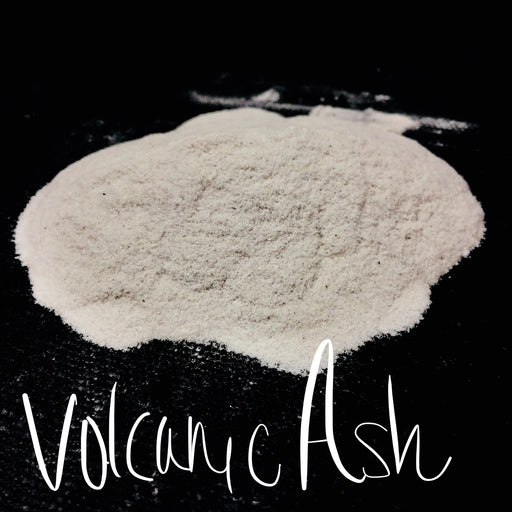
Pumice FFF Volcanic Ash
Original price
$3.00
-
Original price
$63.50
Original price
$3.00
-
$63.50
$3.00
-
$63.50
Current price
$3.00
Low stock
A type of feldspar which can be used in glazes. It is not desirable in clay bodies.
Original price
$3.00
-
Original price
$63.50
Original price
$3.00
-
$63.50
$3.00
-
$63.50
Current price
$3.00
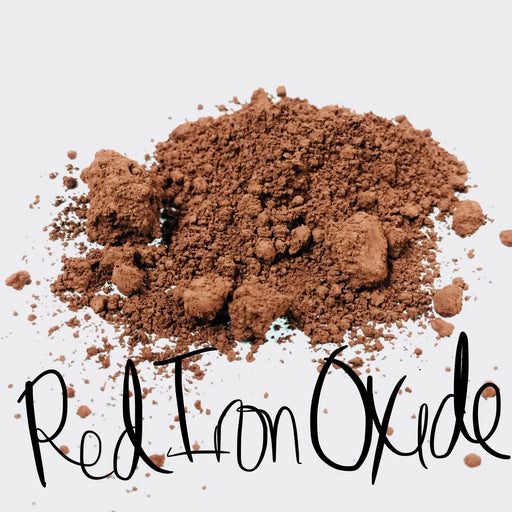
Red Iron Oxide
Original price
$11.75
-
Original price
$193.00
Original price
$11.75
-
$193.00
$11.75
-
$193.00
Current price
$11.75
Low stock
Ferric oxide. Basically the same as black iron oxide except not as concentrated.
Original price
$11.75
-
Original price
$193.00
Original price
$11.75
-
$193.00
$11.75
-
$193.00
Current price
$11.75
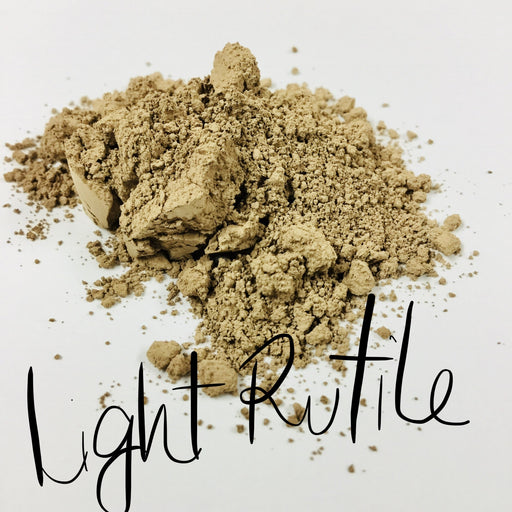
Rutile Light
Original price
$25.00
-
Original price
$600.00
Original price
$25.00
-
$600.00
$25.00
-
$600.00
Current price
$25.00
In stock
A titanium dioxide tan colorant which contains a small amount of iron. Used both for color and its tendency to provide various mottled textures.
Original price
$25.00
-
Original price
$600.00
Original price
$25.00
-
$600.00
$25.00
-
$600.00
Current price
$25.00
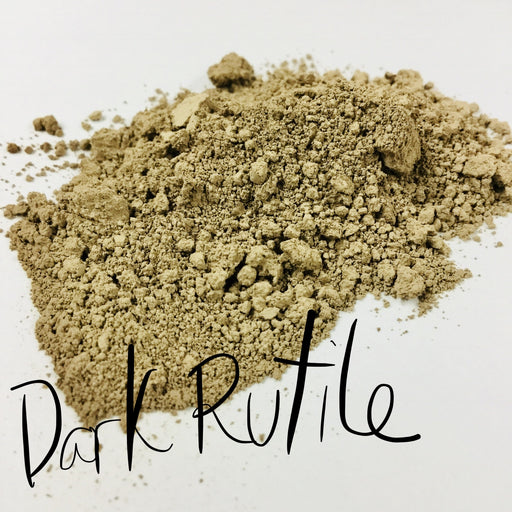
Rutile, Dark
Original price
$12.50
-
Original price
$209.00
Original price
$12.50
-
$209.00
$12.50
-
$209.00
Current price
$12.50
In stock
This is classified as a Dark Rutile. This is the same mineral as the ceramic grade rutile but this has not been calcined.
Original price
$12.50
-
Original price
$209.00
Original price
$12.50
-
$209.00
$12.50
-
$209.00
Current price
$12.50
SG98 DRY GLAZE
Original price
$7.75
-
Original price
$171.00
Original price
$7.75
-
$171.00
$7.75
-
$171.00
Current price
$7.75
Low stock
Opaque glaze in the Laguna Cone 5 Dry Glaze Series.
Original price
$7.75
-
Original price
$171.00
Original price
$7.75
-
$171.00
$7.75
-
$171.00
Current price
$7.75

Silica 200 2# - NZ
Original price
$3.75
-
Original price
$3.75
Original price
$3.75
$3.75
-
$3.75
Current price
$3.75
Low stock
Donated to Cornell by Nan Zantal. All proceeds will go to supporting Sinclair Community College Students looking to attend workshops at Cornell. AK...
View full details
Original price
$3.75
-
Original price
$3.75
Original price
$3.75
$3.75
-
$3.75
Current price
$3.75
Silica 325
Original price
$5.00
-
Original price
$45.00
Original price
$5.00
-
$45.00
$5.00
-
$45.00
Current price
$5.00
In stock
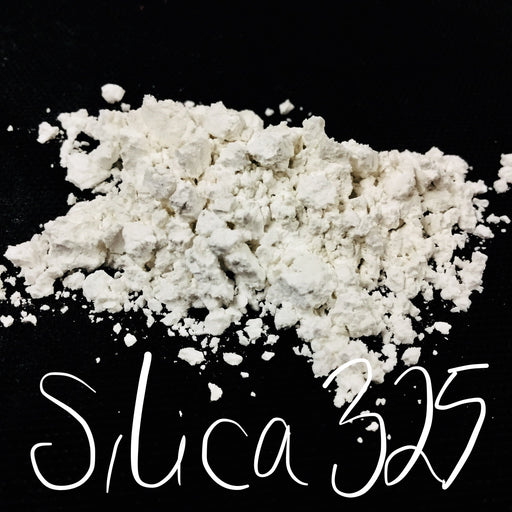
325 mesh silica is typically used in glazes.
Original price
$5.00
-
Original price
$45.00
Original price
$5.00
-
$45.00
$5.00
-
$45.00
Current price
$5.00
Silica Flint 200
Original price
$3.75
-
Original price
$36.00
Original price
$3.75
-
$36.00
$3.75
-
$36.00
Current price
$3.75
In stock
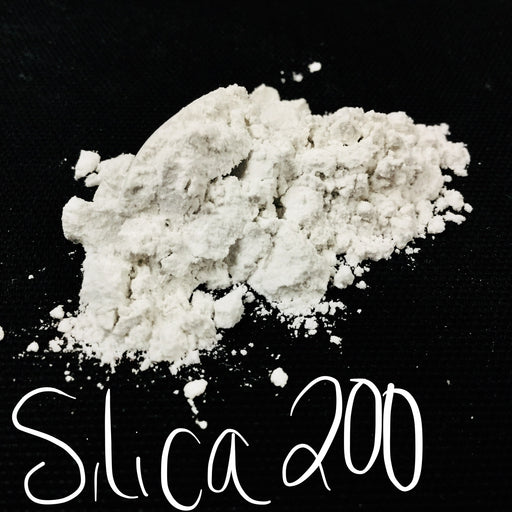
AKA Flint. The most common source of silica in clay bodies and glazes. Increases the thermal expansion in clays and decreases thermal expansion in ...
View full details
Original price
$3.75
-
Original price
$36.00
Original price
$3.75
-
$36.00
$3.75
-
$36.00
Current price
$3.75
Silica Sand
Original price
$7.50
-
Original price
$50.00
Original price
$7.50
-
$50.00
$7.50
-
$50.00
Current price
$7.50
Low stock
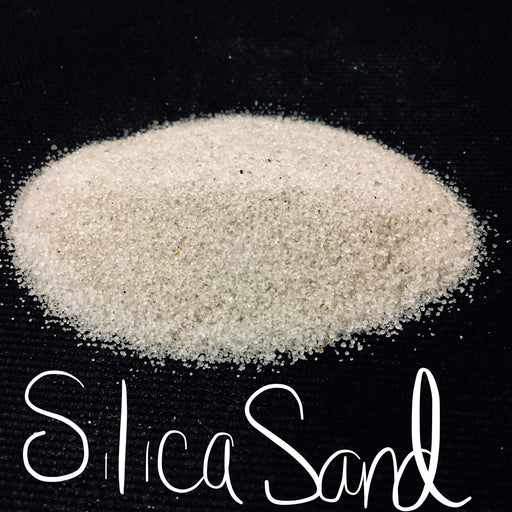
Feldspathic silica sands which can be used in place of grog in clay bodies to add texture and strength.
Original price
$7.50
-
Original price
$50.00
Original price
$7.50
-
$50.00
$7.50
-
$50.00
Current price
$7.50
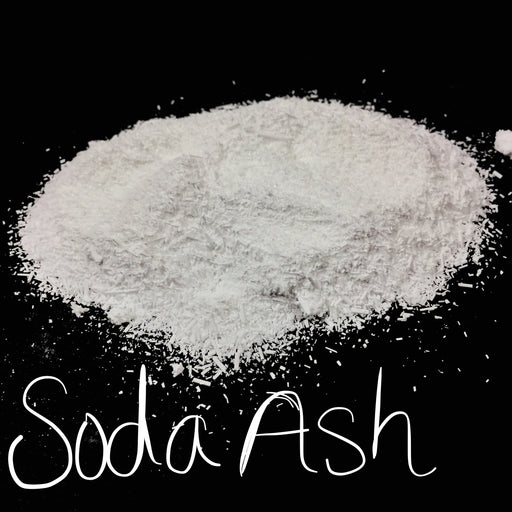
Soda Ash, Light
Original price
$5.25
-
Original price
$84.00
Original price
$5.25
-
$84.00
$5.25
-
$84.00
Current price
$5.25
In stock
This is an active flux which serves an important function as a deflocculant in preparing liquid slip. It increases strength and workability and red...
View full details
Original price
$5.25
-
Original price
$84.00
Original price
$5.25
-
$84.00
$5.25
-
$84.00
Current price
$5.25