Raw Materials
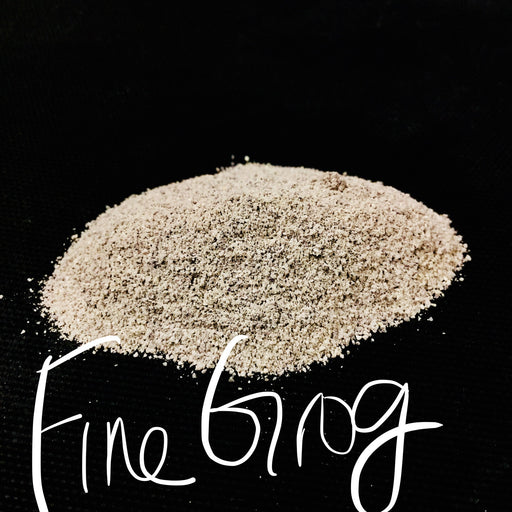
Grog Fine
Original price
$2.75
-
Original price
$40.00
Original price
$2.75
-
$40.00
$2.75
-
$40.00
Current price
$2.75
In stock
Grog is a hard-fired clay crushed to various mesh sizes. It may be added to clays for tactile and visual texture. It can aid in opening the body fo...
View full details
Original price
$2.75
-
Original price
$40.00
Original price
$2.75
-
$40.00
$2.75
-
$40.00
Current price
$2.75
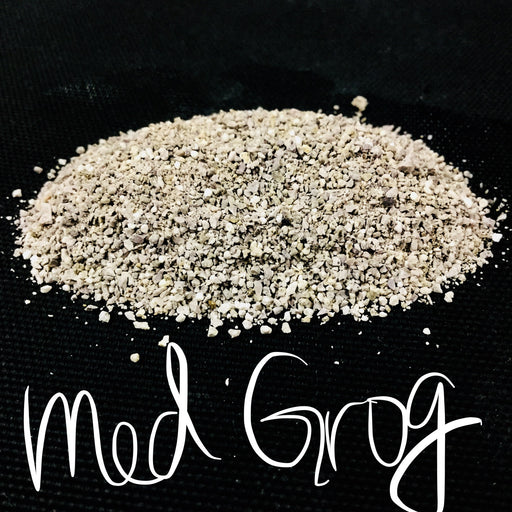
Grog Medium
Original price
$2.75
-
Original price
$40.00
Original price
$2.75
-
$40.00
$2.75
-
$40.00
Current price
$2.75
Out of stock
Grog is a hard-fired clay crushed to various mesh sizes. It may be added to clays for tactile and visual texture. It can aid in opening the body fo...
View full details
Original price
$2.75
-
Original price
$40.00
Original price
$2.75
-
$40.00
$2.75
-
$40.00
Current price
$2.75
Sold out
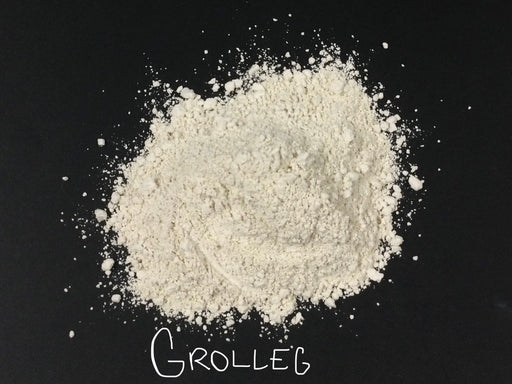
Grolleg Porcelain Kaolin
Original price
$9.75
-
Original price
$95.50
Original price
$9.75
-
$95.50
$9.75
-
$95.50
Current price
$9.75
In stock
A blended English china clay, combining moderate plasticity, low titania content and relatively high flux content, low shrinkage and white fired co...
View full details
Original price
$9.75
-
Original price
$95.50
Original price
$9.75
-
$95.50
$9.75
-
$95.50
Current price
$9.75
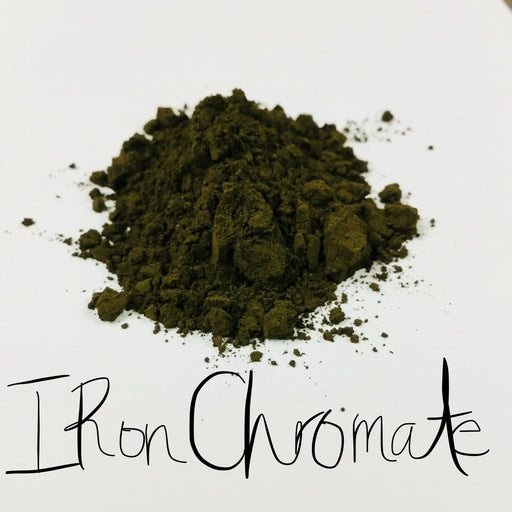
Iron Chromate
Original price
$7.00
-
Original price
$34.00
Original price
$7.00
-
$34.00
$7.00
-
$34.00
Current price
$7.00
Low stock
Produces grey brown colors in engobes and in underglazes that include zinc. If tin is present it may produce pink and reddish browns. Can also be a...
View full details
Original price
$7.00
-
Original price
$34.00
Original price
$7.00
-
$34.00
$7.00
-
$34.00
Current price
$7.00
Kentucky Ball Clay OM4
Original price
$4.75
-
Original price
$45.50
Original price
$4.75
-
$45.50
$4.75
-
$45.50
Current price
$4.75
Low stock
A fine-grained ball clay with excellent plasticity and strength. Old Mine #4 is an "industry standard" based on its popularity in both casting and ...
View full details
Original price
$4.75
-
Original price
$45.50
Original price
$4.75
-
$45.50
$4.75
-
$45.50
Current price
$4.75
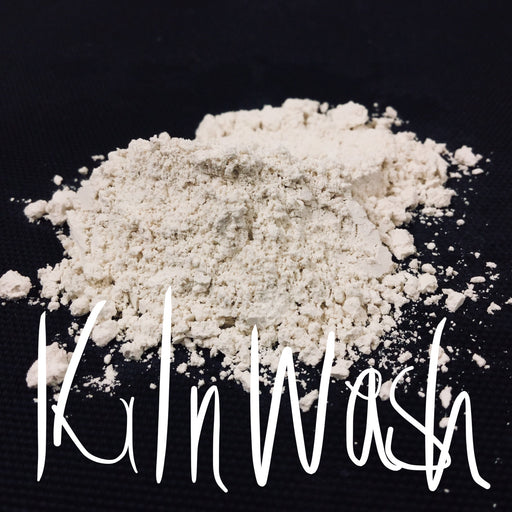
Kiln Wash
Original price
$4.50
-
Original price
$75.00
Original price
$4.50
-
$75.00
$4.50
-
$75.00
Current price
$4.50
In stock
A protective coating for kiln shelves and other areas inside the kiln that may be subjected to dripping glaze during firing. Mix this dry compound ...
View full details
Original price
$4.50
-
Original price
$75.00
Original price
$4.50
-
$75.00
$4.50
-
$75.00
Current price
$4.50
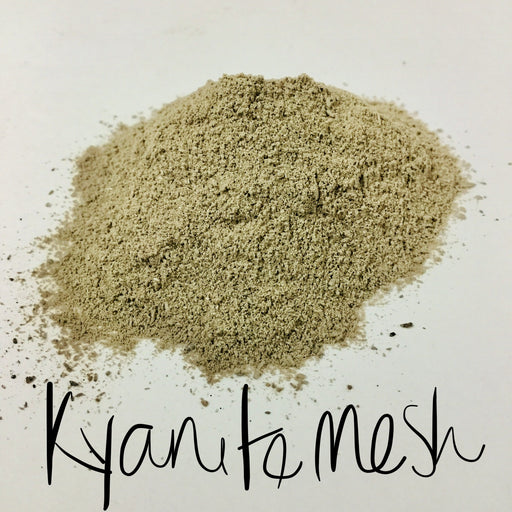
Kyanite Mesh 48
Original price
$4.25
-
Original price
$68.00
Original price
$4.25
-
$68.00
$4.25
-
$68.00
Current price
$4.25
Low stock
A refractory material used to reduce shrinkage in clay bodies. Because of its interlocking crystal structure it also gives strength to clay bodies.
Original price
$4.25
-
Original price
$68.00
Original price
$4.25
-
$68.00
$4.25
-
$68.00
Current price
$4.25

Light Soda Ash 1# - NZ
Original price
$5.25
-
Original price
$5.25
Original price
$5.25
$5.25
-
$5.25
Current price
$5.25
Out of stock
Donated to Cornell by Nan Zantal. All proceeds will go to supporting Sinclair Community College Students looking to attend workshops at Cornell. Th...
View full details
Original price
$5.25
-
Original price
$5.25
Original price
$5.25
$5.25
-
$5.25
Current price
$5.25
Sold out
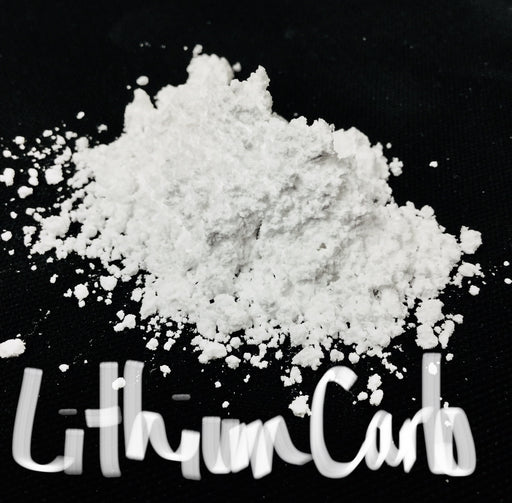
Lithium Carbonate
Original price
$40.00
-
Original price
$1,800.00
Original price
$40.00
-
$1,800.00
$40.00
-
$1,800.00
Current price
$40.00
In stock
It is a source of Lithia for glazes. A strong flux, beginning to aid in the melting of glazes at 1472°F. Used extensively as a secondary flux in le...
View full details
Original price
$40.00
-
Original price
$1,800.00
Original price
$40.00
-
$1,800.00
$40.00
-
$1,800.00
Current price
$40.00
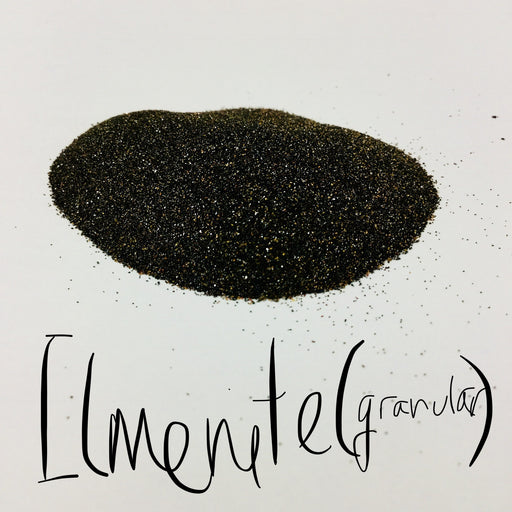
Llmenite Granular
Original price
$7.75
-
Original price
$129.50
Original price
$7.75
-
$129.50
$7.75
-
$129.50
Current price
$7.75
Out of stock
A naturally mined iron titanium oxide mineral. It is generally black as sand, odorless, tasteless, opaque under a microscope, non-flammable and ins...
View full details
Original price
$7.75
-
Original price
$129.50
Original price
$7.75
-
$129.50
$7.75
-
$129.50
Current price
$7.75
Sold out
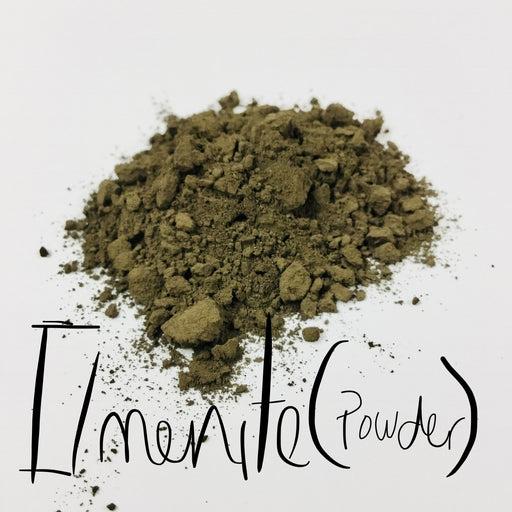
Llmenite, Powdered
Original price
$7.75
-
Original price
$129.50
Original price
$7.75
-
$129.50
$7.75
-
$129.50
Current price
$7.75
Out of stock
Original price
$7.75
-
Original price
$129.50
Original price
$7.75
-
$129.50
$7.75
-
$129.50
Current price
$7.75
Sold out
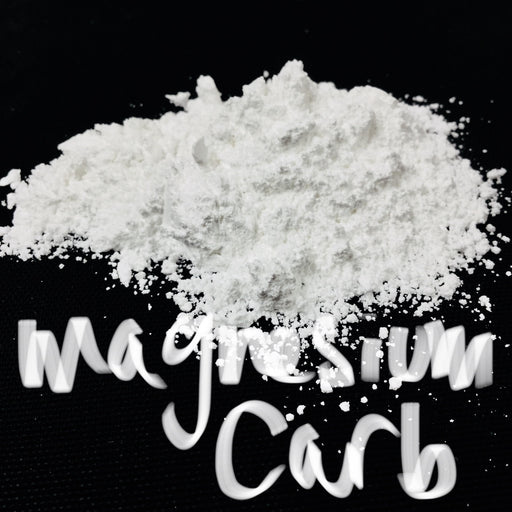
Magnesium Carbonate
Original price
$13.50
-
Original price
$225.00
Original price
$13.50
-
$225.00
$13.50
-
$225.00
Current price
$13.50
In stock
Source of magnesium in glazes. Imparts strength and color with little shrinkage. In larger proportions, it produces a dry opaque quality to glazes.
Original price
$13.50
-
Original price
$225.00
Original price
$13.50
-
$225.00
$13.50
-
$225.00
Current price
$13.50
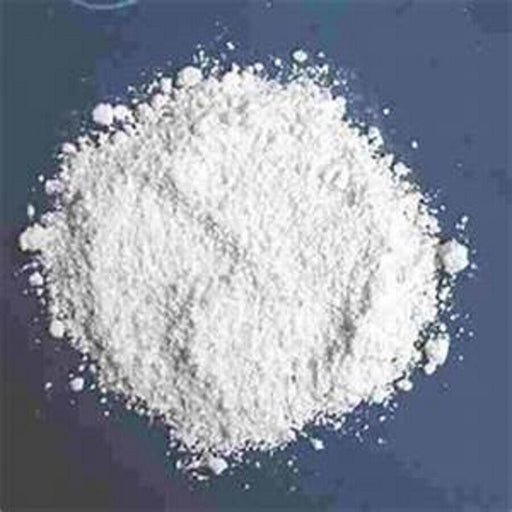
Mahavir Potassium Feldspar (substitute for Custer Potash Feldspar)
Original price
$7.50
-
Original price
$75.00
Original price
$7.50
-
$75.00
$7.50
-
$75.00
Current price
$7.50
In stock
Good substitute for Custer Feldspar. A selected white firing high grade potassium feldspar ground to 200 mesh for ceramic applications. Moderate po...
View full details
Original price
$7.50
-
Original price
$75.00
Original price
$7.50
-
$75.00
$7.50
-
$75.00
Current price
$7.50

Manganese Carb
Original price
$4.75
-
Original price
$46.75
Original price
$4.75
-
$46.75
$4.75
-
$46.75
Current price
$4.75
Low stock
A weak coloring agent. In an alkaline glaze, a blue-purple or plum color can be obtained. In leadless glazes, a purple-brown may result. It is a po...
View full details
Original price
$4.75
-
Original price
$46.75
Original price
$4.75
-
$46.75
$4.75
-
$46.75
Current price
$4.75
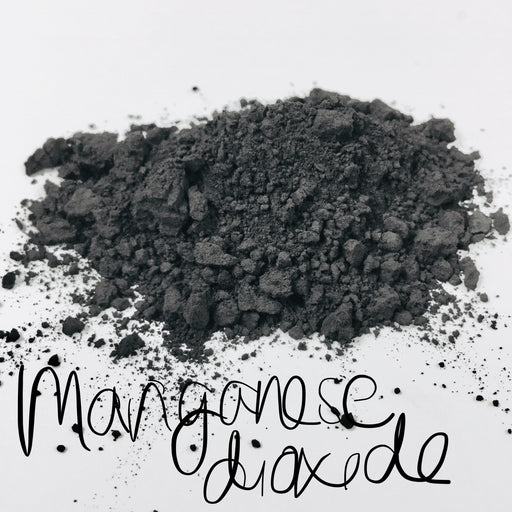
Manganese Dioxide
Original price
$2.50
-
Original price
$25.00
Original price
$2.50
-
$25.00
$2.50
-
$25.00
Current price
$2.50
In stock
A black powder which gives red, brown, purple or black tones to clay bodies and glazes. A strong flux when added in large amounts to clay bodies.
Original price
$2.50
-
Original price
$25.00
Original price
$2.50
-
$25.00
$2.50
-
$25.00
Current price
$2.50

Manganese Dioxide 1# - NZ
Original price
$7.50
-
Original price
$7.50
Original price
$7.50
$7.50
-
$7.50
Current price
$7.50
Out of stock
Donated to Cornell by Nan Zantal. All proceeds will go to supporting Sinclair Community College Students looking to attend workshops at Cornell. A ...
View full details
Original price
$7.50
-
Original price
$7.50
Original price
$7.50
$7.50
-
$7.50
Current price
$7.50
Sold out
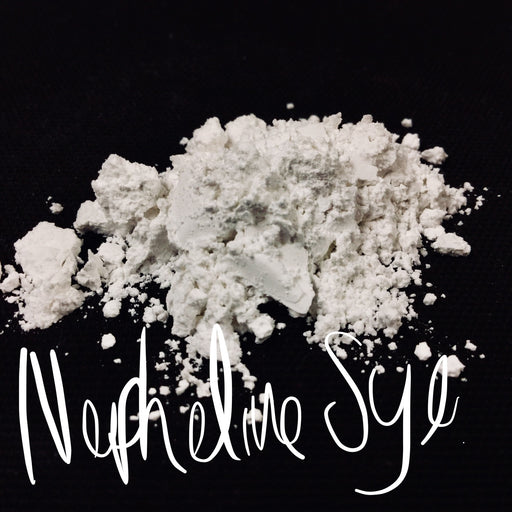
Nepheline Syenite
Original price
$4.75
-
Original price
$47.00
Original price
$4.75
-
$47.00
$4.75
-
$47.00
Current price
$4.75
Low stock
A soda spar. It can reduce crazing tendencies when added to a clay body. Also used in glazes where a soda spar is required.
Original price
$4.75
-
Original price
$47.00
Original price
$4.75
-
$47.00
$4.75
-
$47.00
Current price
$4.75
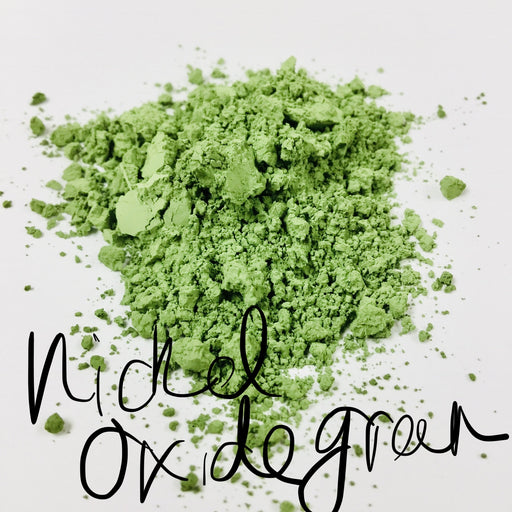
Nickel Carbonate Green
Original price
$15.00
-
Original price
$45.00
Original price
$15.00
-
$45.00
$15.00
-
$45.00
Current price
$15.00
Low stock
Common glaze colorant. Green nickel produces a variety of browns, blues, grays and yellows depending on the presence of other materials in the glaze.
Original price
$15.00
-
Original price
$45.00
Original price
$15.00
-
$45.00
$15.00
-
$45.00
Current price
$15.00
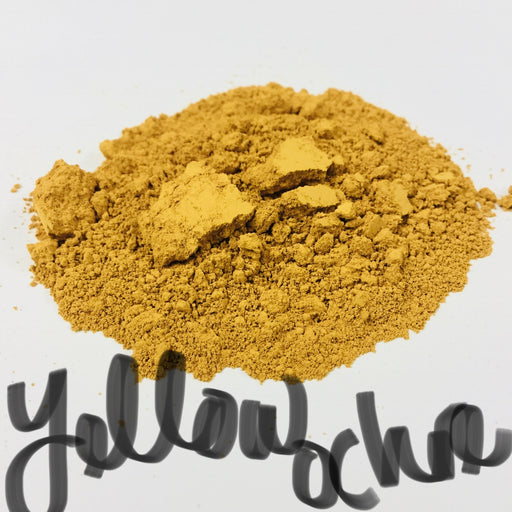
Ochre, Yellow
Original price
$13.50
-
Original price
$45.00
Original price
$13.50
-
$45.00
$13.50
-
$45.00
Current price
$13.50
Low stock
A natural hydrated earthy ferric oxide. Contains hydrated iron oxide. Can be calcined at 550-600°C.
Original price
$13.50
-
Original price
$45.00
Original price
$13.50
-
$45.00
$13.50
-
$45.00
Current price
$13.50
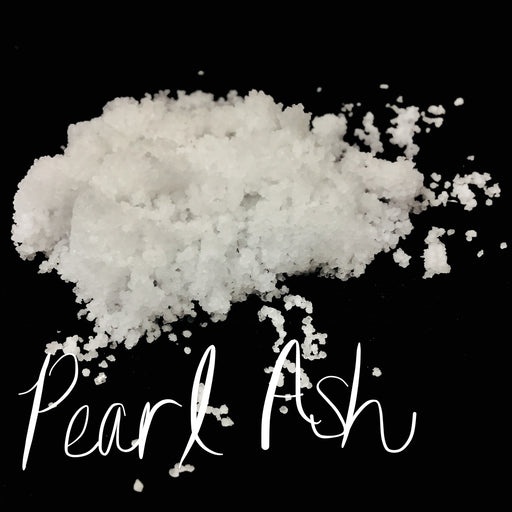
Pearl Ash Potassium Carb
Original price
$11.30
-
Original price
$76.00
Original price
$11.30
-
$76.00
$11.30
-
$76.00
Current price
$11.30
Low stock
Also known as Pearl Ash. It is a strong flux and can be used as a color modifier in glazes.
Original price
$11.30
-
Original price
$76.00
Original price
$11.30
-
$76.00
$11.30
-
$76.00
Current price
$11.30
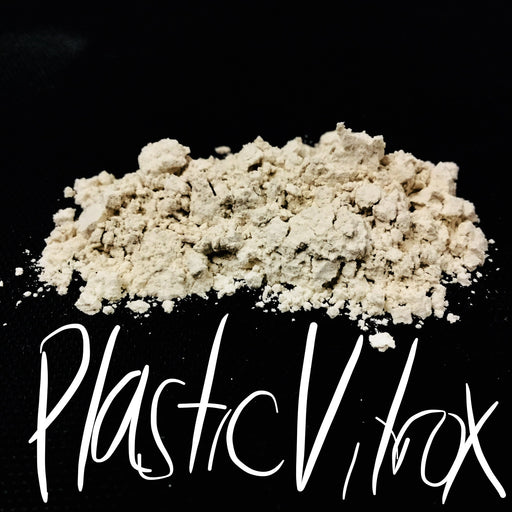
Plastic Vitrox
Original price
$8.25
-
Original price
$136.00
Original price
$8.25
-
$136.00
$8.25
-
$136.00
Current price
$8.25
In stock
Can be used to increase plasticity in porcelain bodies instead of Potash Feldspar; a complex material similar to and sharing properties with Potash...
View full details
Original price
$8.25
-
Original price
$136.00
Original price
$8.25
-
$136.00
$8.25
-
$136.00
Current price
$8.25
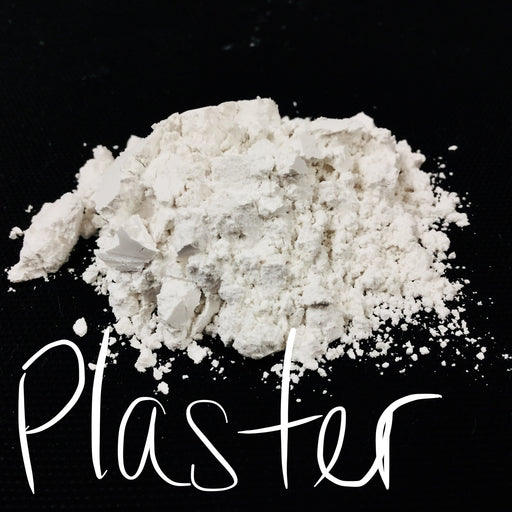
Pottery Plaster #1
Original price
$10.50
-
Original price
$16.50
Original price
$10.50
-
$16.50
$10.50
-
$16.50
Current price
$10.50
In stock
USG Pottery Plaster is great for all types of ceramic slip casting applications. Pottery plaster is formulated for long life and reduced breakage (...
View full details
Original price
$10.50
-
Original price
$16.50
Original price
$10.50
-
$16.50
$10.50
-
$16.50
Current price
$10.50
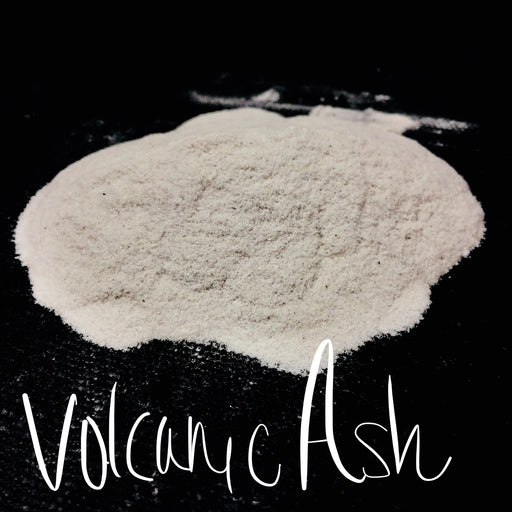
Pumice FFF Volcanic Ash
Original price
$3.00
-
Original price
$63.50
Original price
$3.00
-
$63.50
$3.00
-
$63.50
Current price
$3.00
Low stock
A type of feldspar which can be used in glazes. It is not desirable in clay bodies.
Original price
$3.00
-
Original price
$63.50
Original price
$3.00
-
$63.50
$3.00
-
$63.50
Current price
$3.00
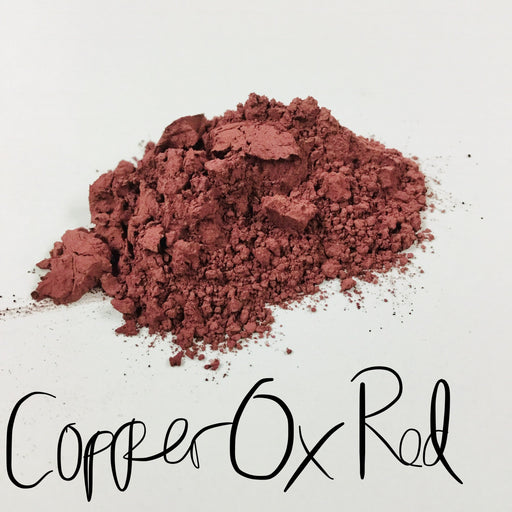
Red Copper OX
Original price
$9.75
-
Original price
$97.00
Original price
$9.75
-
$97.00
$9.75
-
$97.00
Current price
$9.75
Out of stock
Original price
$9.75
-
Original price
$97.00
Original price
$9.75
-
$97.00
$9.75
-
$97.00
Current price
$9.75
Sold out